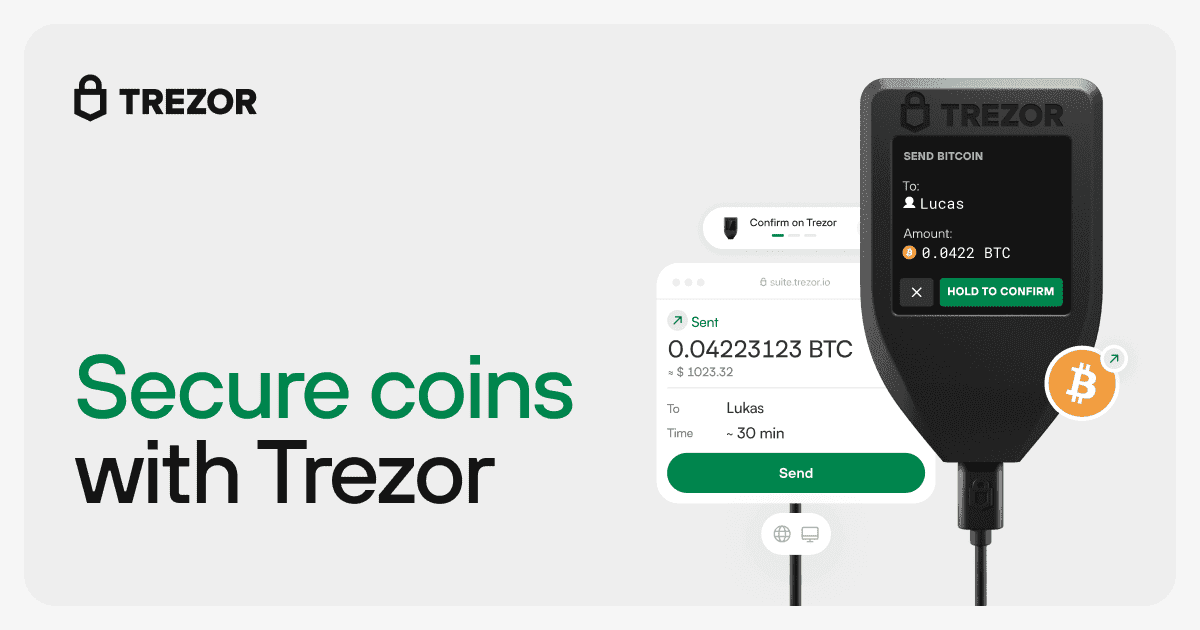
Trezor.io/start – Complete Guide to Setting Up Your Trezor Hardware Wallet
Cryptocurrency security has become more important than ever as digital assets continue to gain global adoption. While software wallets and exchanges offer convenience, they also expose users to online threats such as hacking, phishing, and malware. This is where hardware wallets stand out. Among the most trusted names in hardware wallets is Trezor.
If you’ve just purchased a Trezor device, the official setup page you’ll be directed to is Trezor.io/start. This page is the beginning of your journey toward secure crypto storage. In this comprehensive guide, you’ll learn exactly what Trezor.io/start is, how to set up your device step by step, best security practices, and how to safely manage your cryptocurrencies using Trezor Suite.
What Is Trezor.io/start?
Trezor.io/start is the official onboarding page provided by SatoshiLabs, the creators of the Trezor hardware wallet. It ensures that users initialize their devices safely and correctly while avoiding counterfeit software or malicious downloads.
The page guides you through:
Verifying your Trezor device
Installing Trezor Suite
Updating firmware
Creating and backing up your recovery seed
Setting up a PIN
Managing crypto assets securely
Using this official page is critical because fake setup websites are one of the most common ways scammers steal crypto.
What Is a Trezor Hardware Wallet?
A Trezor hardware wallet is a physical device designed to store your cryptocurrency private keys offline. Unlike hot wallets, which remain connected to the internet, Trezor keeps your private keys isolated, significantly reducing the risk of theft.
Key Benefits of Trezor Wallets
Offline private key storage
Protection from malware and keyloggers
Open-source firmware and software
Support for thousands of cryptocurrencies
Transparent security architecture
Trezor currently offers two main models:
Trezor Model One
Trezor Model T
Both models are supported through Trezor.io/start.
What You Need Before Starting
Before visiting Trezor.io/start, make sure you have the following:
A new Trezor hardware wallet (sealed and untampered)
A computer (Windows, macOS, or Linux)
A USB cable
Stable internet connection
Pen and paper (for recovery seed backup)
Never store recovery information digitally or take photos of it.
Step-by-Step Setup Guide Using Trezor.io/start
Step 1: Visit the Official Website
Open your browser and manually type:
Avoid clicking ads or third-party links. Bookmark the official site once verified.
Step 2: Connect Your Trezor Device
Plug your Trezor device into your computer using the USB cable
The device screen will power on
Follow the on-screen instructions
If your device appears already initialized, do not continue—contact support immediately.
Step 3: Install Trezor Suite
Trezor.io/start will prompt you to download Trezor Suite, the official desktop application used to manage your wallet.
Trezor Suite allows you to:
Send and receive cryptocurrencies
Manage multiple accounts
Track your portfolio
Exchange and stake supported coins
Update firmware
Always download Trezor Suite only from the official site.
Step 4: Install or Update Firmware
When you connect a new device, it will not have firmware installed or may require an update.
Confirm firmware installation in Trezor Suite
Verify the fingerprint on your device screen
Allow the update to complete
Firmware updates improve security and add new features.
Step 5: Create a New Wallet
Once firmware installation is complete:
Choose Create new wallet
Select the standard wallet option (unless advanced features are required)
Your Trezor will now generate a recovery seed.
Recovery Seed: The Most Important Step
What Is a Recovery Seed?
A recovery seed is a list of 12, 18, or 24 randomly generated words that act as the master key to your wallet. Anyone with access to these words can control your funds.
How to Secure Your Recovery Seed
Write the words down in the correct order
Never store them digitally
Never share them with anyone
Keep them offline in a secure location
Consider using a fireproof metal backup
Trezor will never ask for your recovery seed online.
Step 6: Confirm the Recovery Seed
Your device will ask you to confirm the recovery seed by selecting certain words in the correct order. This ensures you have written it down correctly.
Do not rush this step.
Step 7: Set a PIN Code
Next, you’ll create a PIN code to protect your device.
PIN entry uses a randomized keypad layout
This prevents keylogging attacks
Choose a strong and memorable PIN
Entering the wrong PIN multiple times will delay access, protecting against brute-force attempts.
Optional: Enable Passphrase Protection
A passphrase adds an extra layer of security by creating hidden wallets.
Benefits of a Passphrase
Protects funds even if recovery seed is compromised
Allows multiple hidden wallets
Ideal for advanced users
Important: If you forget your passphrase, funds are permanently inaccessible.
Using Trezor Suite After Setup
Once setup is complete, Trezor Suite becomes your main dashboard.
Features of Trezor Suite
Portfolio overview
Multiple crypto accounts
Transaction history
Built-in exchange integrations
Privacy tools
Coin control
You can customize your experience based on your needs.
Supported Cryptocurrencies
Trezor supports thousands of coins and tokens, including:
Bitcoin (BTC)
Ethereum (ETH)
Litecoin (LTC)
Cardano (ADA)
Solana (SOL)
Polygon (MATIC)
ERC-20 tokens
Support varies slightly between Model One and Model T.
Sending and Receiving Crypto
Receiving Funds
Open Trezor Suite
Select the desired account
Click Receive
Verify the address on your Trezor device screen
Share the address
Sending Funds
Select account
Enter recipient address and amount
Confirm transaction on the device
Physically approve the transaction
Physical confirmation prevents unauthorized transfers.
Security Best Practices for Trezor Users
Always verify addresses on the device screen
Never enter your recovery seed on a website
Keep firmware and Trezor Suite updated
Beware of phishing emails
Buy devices only from official sources
Use passphrase protection if holding large amounts
What If You Lose Your Trezor Device?
If your device is lost or damaged:
Buy a new Trezor
Restore wallet using your recovery seed
Set a new PIN
Your funds are safe as long as your recovery seed remains secure.
Common Issues and Troubleshooting
Device Not Recognized
Try a different USB cable or port
Restart computer
Update browser or Trezor Suite
Forgotten PIN
Reset device
Restore wallet using recovery seed
Firmware Update Failed
Reconnect device
Retry update
Ensure stable internet
Why Always Use Trezor.io/start?
Using Trezor.io/start ensures:
Official software downloads
Authentic firmware installation
Protection from fake setup guides
Secure onboarding experience