Trezor.io/start: A Comprehensive Guide to Setting Up and Using Trezor Hardware Wallet
Introduction
Cryptocurrencies like Bitcoin and Ethereum have become central to the digital economy. As a result, security has become a critical concern for cryptocurrency holders. While digital wallets and exchanges offer convenience, they also introduce significant security risks, such as hacks, theft, and fraud. To mitigate these risks, hardware wallets like Trezor have emerged as a reliable solution for securing crypto assets.
In this guide, we will walk you through the steps involved in setting up your Trezor hardware wallet, how to use it effectively, and why Trezor.io/start is the best place to begin your journey to secure your cryptocurrency.
What is Trezor?
Trezor is a popular hardware wallet that provides a secure way to store cryptocurrencies offline, making it less susceptible to online hacking attempts. Developed by SatoshiLabs, Trezor is one of the first and most trusted hardware wallets in the market. Unlike software wallets or exchange-based wallets, hardware wallets like Trezor store your private keys in a physical device, which is much more secure from online threats.
Key Features of Trezor:
Offline Storage: Private keys are stored offline, away from potential cyber threats.
Multi-Currency Support: Trezor supports a wide range of cryptocurrencies including Bitcoin (BTC), Ethereum (ETH), Litecoin (LTC), and many others.
Secure Backup: Trezor provides a 24-word recovery seed to back up your wallet, ensuring you can recover your funds if the device is lost or stolen.
Pin Protection: The device has a PIN code for added security to prevent unauthorized access.
User-Friendly Interface: Trezor’s interface is easy to use, even for beginners.
Why Should You Use a Hardware Wallet?
When you store cryptocurrency on exchanges or in software wallets, your private keys are stored online, making them vulnerable to hacking attempts. While exchanges take measures to secure their users’ funds, they are still a common target for cybercriminals.
By using a hardware wallet like Trezor, you significantly reduce the chances of your crypto being stolen. With a Trezor device, your private keys never leave the hardware wallet, making it nearly impossible for hackers to access your funds unless they physically have access to the device.
Step-by-Step Guide to Setting Up Your Trezor Hardware Wallet
Now that you understand what Trezor is and why it’s important, let’s dive into the steps required to set up your Trezor hardware wallet using Trezor.io/start.
1. Unbox and Prepare Your Trezor Device
Once you’ve purchased your Trezor device, the first step is to unbox it. Inside the box, you will find:
The Trezor hardware wallet itself (Trezor One or Trezor Model T)
A USB cable
A recovery seed card
A quick-start guide
Make sure you have everything before proceeding.
2. Visit Trezor.io/start
To begin the setup process, open your web browser and navigate to Trezor.io/start. This is the official setup page where you will download the necessary software to configure your device.
Important Note: Always ensure you are visiting the official website (Trezor.io) to avoid phishing scams.
3. Download the Trezor Suite
Trezor offers two primary ways to interact with your hardware wallet: Trezor Suite (desktop application) and Trezor Web Wallet (web-based app). For enhanced security and functionality, we recommend downloading and installing Trezor Suite.
Click on the "Download" button on Trezor.io/start.
Choose the correct version for your operating system (Windows, macOS, or Linux).
Follow the installation instructions.
4. Connect Your Trezor to Your Computer
Once Trezor Suite is installed, plug in your Trezor device into an available USB port on your computer. Trezor Suite should automatically recognize the device.
If you're using Trezor Model T, you will also need to enter a PIN code directly on the device’s touchscreen. For Trezor One, you’ll navigate through the setup using the button on the device.
5. Install Firmware Updates
When you connect your Trezor device for the first time, it may prompt you to install the latest firmware. This step ensures that your device is running the most secure and up-to-date version of its software.
Follow the on-screen instructions to install the firmware. If any issues arise during this process, Trezor provides troubleshooting tips on their website.
6. Create a New Wallet or Restore an Existing Wallet
At this point, you will have the option to:
Create a new wallet: This is for first-time users who want to start fresh.
Restore an existing wallet: If you’ve used Trezor before and have a recovery seed, you can restore your wallet on this new device.
To create a new wallet:
Click “Create a New Wallet” on the Trezor Suite interface.
The device will generate a 24-word recovery seed that you must write down. This seed is crucial for recovering your wallet in case your Trezor device is lost or damaged.
Tip: Write the recovery seed down on the card provided, and store it in a safe location. Never store it online or on your computer.
7. Set a PIN Code
After confirming your recovery seed, you will be prompted to set a PIN code. This is an added layer of protection in case someone gains physical access to your device. You’ll be required to enter this PIN each time you connect the device to your computer.
8. Finalizing the Setup
Once your PIN is set, you will be taken to the Trezor Suite dashboard, where you can manage your cryptocurrency portfolio. At this stage, you’re ready to start using your Trezor wallet!
9. Backing Up Your Wallet
As a precaution, always back up your recovery seed to multiple secure locations. This ensures that if something happens to your Trezor device, you can still recover your assets.
Important: Without the recovery seed, you cannot recover your funds if you lose access to your Trezor wallet.
Using Your Trezor Wallet
Now that your wallet is set up, you can begin using your Trezor device to send and receive cryptocurrency.
Sending Cryptocurrency
Open the Trezor Suite on your computer.
Select the account you want to use (Bitcoin, Ethereum, etc.).
Click on Send.
Enter the recipient’s address and the amount you wish to send.
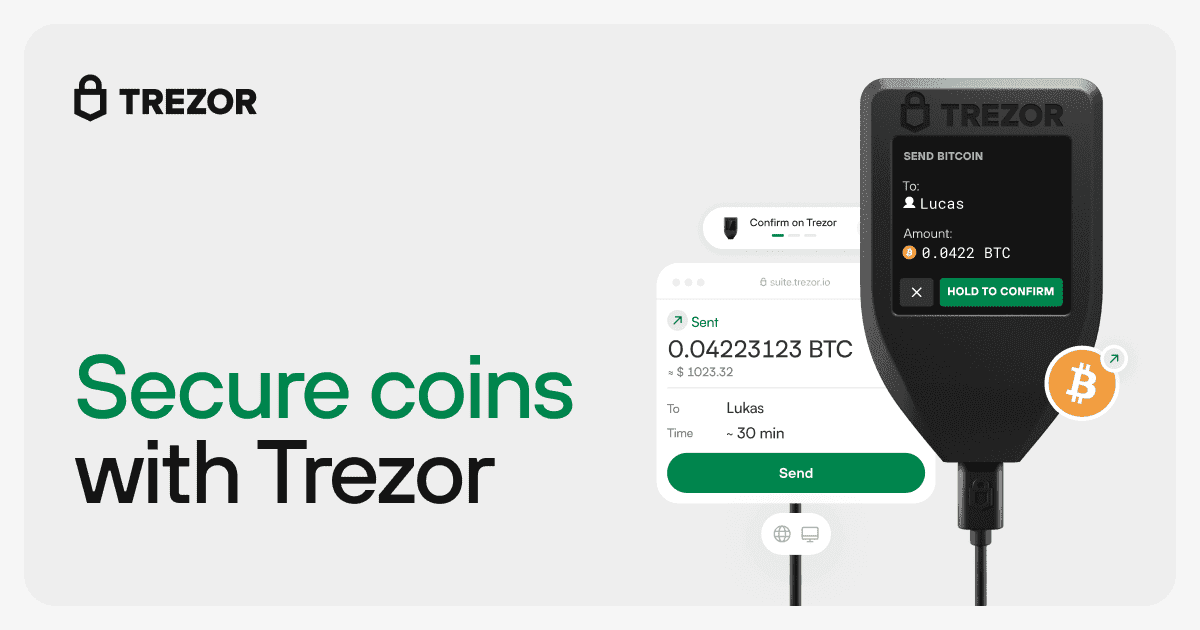
Confirm the transaction on your Trezor device by entering your PIN and verifying the transaction details.
Receiving Cryptocurrency
Open Trezor Suite and select the account you want to receive crypto on.
Click on Receive.
The software will generate a receiving address.
Share this address with the sender to receive the funds.
Managing Multiple Coins
Trezor supports over 1,600 cryptocurrencies. You can easily manage multiple coins within the Trezor Suite by creating separate accounts for each currency.
Security Best Practices
Use Strong PINs: Choose a PIN that’s difficult to guess. Avoid using simple or common PINs like 1234 or 0000.
Enable Passphrase Protection: For added security, you can enable a passphrase in addition to your PIN. This creates an extra layer of protection and ensures that only you can access your funds.
Regular Firmware Updates: Always keep your device's firmware up to date to protect against potential vulnerabilities.
Never Share Your Recovery Seed: Treat your recovery seed like a password. Never share it with anyone, and don’t store it digitally.
Conclusion
Trezor.io/start provides the ideal entry point for securing your cryptocurrencies with a hardware wallet. By following the steps outlined in this guide, you can confidently set up your Trezor device and begin managing your crypto assets in the most secure way possible.
Trezor offers a robust solution for anyone serious about cryptocurrency security. Whether you’re a novice or a seasoned investor, using a hardware wallet like Trezor is essential to safeguarding your digital assets.
By choosing Trezor and following the setup guide at Trezor.io/start, you’re taking an important step towards securing your cryptocurrencies against hacks and online threats. Always remember to keep your recovery seed safe, use strong PINs, and stay up to date with the latest security measures to protect your assets for the long term.